How to avoid double bookings by planning real turnaround time
A machine that's back in the yard isn't always ready to go out again. Plan the gap between a return and the next hire so handovers stop colliding.
Tom - Founder of Signd
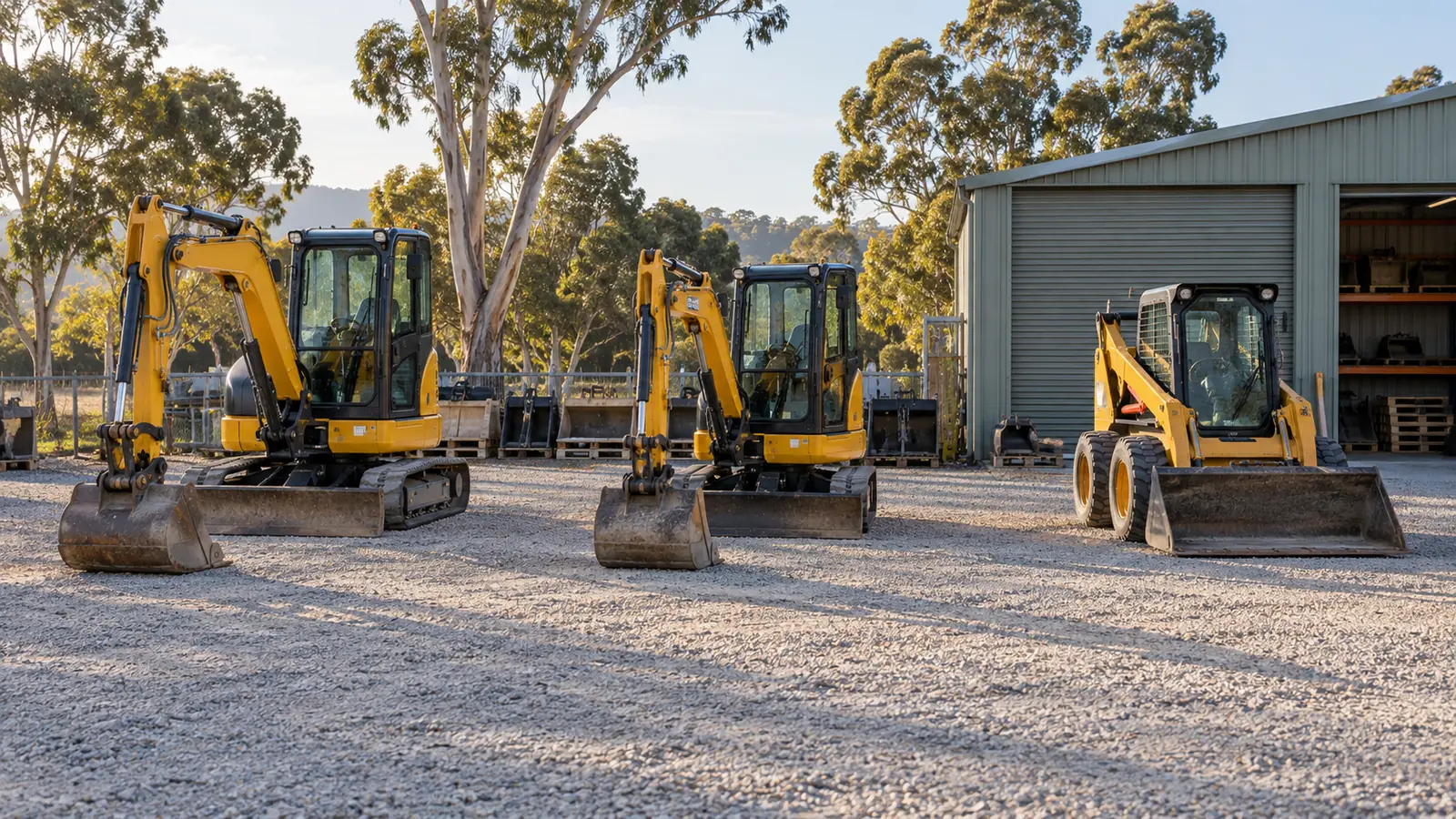
Your mini excavator is due back at 3 pm. Another customer wants it at 3:30. On the calendar, that looks fine.
Then the first customer runs late. The machine comes back caked in clay. The bucket the next customer asked for is still out on another job. Now one customer is waiting in your yard and another is on the phone.
Double bookings often aren't caused by a bad calendar. They happen because "returned" and "ready to hire" get treated as the same moment. Plan the time between them and many of the collisions go away.
Keep the hire period and your prep time separate
The hire period is what you agreed with the customer: when they collect or you deliver, when it comes back, and what they pay. That's what belongs on the hire agreement and the invoice.
Turnaround is your time. It's what your team needs to check the machine in, clean it, top up fluids, look it over for damage and load it for the next job.
Keep the two apart. Don't stretch a customer's booking to make room for cleaning. They'd be billed for time they never had the gear, and that's a dispute you've created yourself. Plan prep as your own internal block, separate from anything you charge for.
Book the actual machine, not just the type
"A 1.7 tonne excavator" is a type. "EX-04" is a machine.
If you only book by type, your calendar can say one is free when the only one left is in the workshop waiting on a part. Book against the specific unit, and record what goes with it:
- the asset name or number
- the buckets, augers or other attachments going with it (a simple kit register helps here)
- whether it's being collected or delivered, and by whom
- a contact name and number at each end
When a customer asks to keep the gear longer, check the next booking for that exact machine before you say yes. A friendly "no worries, keep it till Monday" is where plenty of double bookings start. If they simply run over, your agreement should already say how late returns are handled.
Set a turnaround allowance from your own yard
There's no universal turnaround rule. A plate compactor that comes back clean over the counter might be ready again quickly. A mini excavator back from a muddy site an hour out might need washing, greasing and a proper look at the tracks and bucket teeth before it goes anywhere.
Base your allowances on what your yard has actually seen. Ask the person who cleans and checks the gear, not just the person taking bookings.
Plan for the times a machine isn't ready, too. If something needs a repair or a closer look, mark it unavailable until someone has signed it off.
There's a safety reason not to assume the gap is zero.
Safe Work Australia's model Code of Practice on managing the risks of plant (section 3.1) says a business that hires out plant must ensure, so far as is reasonably practicable, that the plant is safe to use and properly maintained. Model codes apply where your state or territory has adopted them, so check with your local WHS regulator.
Either way, that work takes time and belongs in your plan.
A Friday handover, played out
Here's a fictional example. A mini excavator is due back at 3 pm on Friday. At 2 pm, another customer rings to ask if they can collect it at 3:30.
Instead of answering from the calendar, the person on the desk checks three things. Is the current hirer likely to be on time? How long does this machine usually take to clean and check after a site job? Is the auger the new customer wants actually in the yard?
The answers aren't great. The machine has been on a wet site, and the auger isn't due back from another hire until first thing Saturday.
So the desk offers two options: the same machine with the auger at 10 am Saturday, once both have been checked, or a similar machine that's already clean at 3:30 today, without the auger. The customer takes Saturday. Nobody waits around, and nobody drives off with gear that hasn't been checked.
The five-minute end-of-day booking check
Before you lock up, check tomorrow's work:
- Which specific machines are going out tomorrow?
- Are collection and return times confirmed with each customer?
- Has every extension been checked against the next booking for that machine?
- Are the attachments for each hire in the yard and ready?
- Is transport booked, with a contact at each end?
- Who is prepping each machine, and by when?
- Is anything waiting on a repair, service or inspection?
- Does any customer need a call because a time has changed?
If your booking system can't mark a machine as being prepped or repaired, a whiteboard in the workshop or a shared note works, as long as the whole team can see it.
Learn from the near misses
Every couple of weeks, look back at the handovers that went wrong: late returns, missing attachments, prep that took longer than planned. Note what happened and adjust your turnaround allowances. It's a short team habit.
Where Signd fits
Sending hire agreements on Signd is free. Signd Pro adds bookings and a calendar, so your team can see what's out now and when it's due back, with the agreement, invoice and payments kept together. When you create a booking, days an asset is already booked are greyed out, which helps avoid double bookings.
Signd doesn't add prep time for you. Your team still decides when a machine is ready to go out again. See Use the calendar, Create a new booking and Manage a booking, or try Signd Pro free for 7 days.