What to put in a hire agreement about off-hire notice
Customers stop using the machine, then argue the hire ended days earlier. Clear off-hire notice rules stop that fight before it starts.
Tom - Founder of Signd
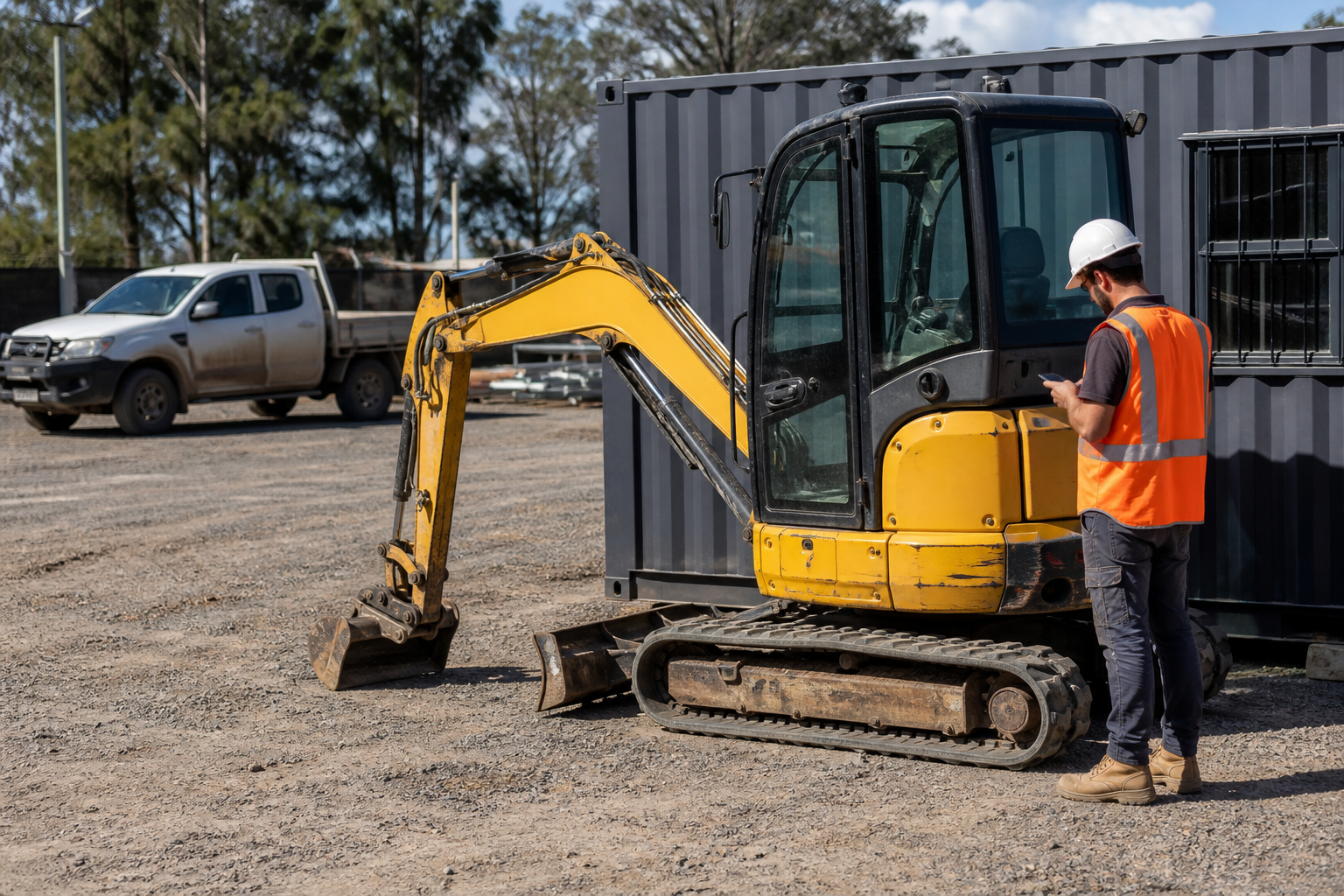
Customers stop using the machine, then argue the hire ended days earlier. Clear off-hire notice rules stop that fight before it starts.
Off-hire arguments start with a vague end date
Most hire jobs do not end with a clean handshake at the gate.
The customer finishes early. They park the excavator and text the yard. Or they leave a voicemail after hours. Or they tell the site supervisor "we're done" and assume that is enough.
Your team hears something different. The float is not booked. The machine is still on site. Nobody issued an off-hire number. By the time you collect it, two more hire days have landed on the invoice and the customer refuses to pay them.
Australian hire terms treat this as a paperwork problem, not a goodwill problem. Common practice is that hire keeps running until the customer gives proper notice and the yard confirms it, often with an off-hire number, and that insufficient notice can mean extra hire or continued responsibility for the plant until collection (Sprintlaw stand down rates guidance; Kanes Hire conditions; Fleet Hire & Sales terms).
If your hire agreement leaves that fuzzy, every early finish becomes a negotiation.
1. Say how off-hire notice must be given
A phone call alone is easy to dispute later.
What to spell out
- which methods count (email, SMS, portal, phone plus written confirm)
- who at the yard can accept notice
- what details the notice must include (job, plant item, location, ready-for-collection time)
- that verbal only notice is not enough unless you confirm it in writing
Sample wording approach
"Off-hire notice must be given in writing to [yard email/SMS]. Hire charges continue until we issue an off-hire number confirming the notice."
2. Set a clear minimum notice period
Vague "reasonable notice" is where unpaid days hide.
Yards commonly require written notice such as 24 hours, or longer where a movement order or float is needed, and treat shorter notice as not recognised (CPA-style plant hire supplemental conditions summarised in public hire terms packs; Sprintlaw off-hire notice guidance).
What to spell out
- minimum notice for yard pickup jobs
- longer notice where float or interstate move is required
- cut-off time of day (for example, notice before 9am if that day is to stop charging)
- what happens if notice lands after hours or on a weekend
3. Tie the end of hire to an off-hire number, not a guess
Customers often think "I finished using it" ends the hire. Your agreement should say otherwise.
Public hire conditions commonly say hire runs until return to depot, or until the owner issues an official off-hire number after the customer says the plant is ready for collection (Kanes Hire conditions; Fleet Hire & Sales off-hire conditions).
What to spell out
- hire ends only when you issue an off-hire number, or when the plant is returned in yard hours
- the customer must not request an off-hire number unless the machine is ready to collect or return
- the plant stays the customer's responsibility until it is back at your depot or accepted on collection
- you can inspect before accepting the off-hire
4. Separate off-hire from late return and standdown
Mixing these three in one sentence creates invoice fights.
Late return is about gear kept past the booked end. Standdown is about idle time while still on hire. Off-hire is the formal end of the hire period.
What to spell out
- off-hire notice rules in their own clause
- late return charges in a separate clause
- standdown or idle rates only where they actually apply
- that calling to "pause" hire is not the same as completing off-hire, unless you agree temporary off-hire in writing
5. Keep a record your accounts team can defend
When the dispute hits, you need more than "they rang us".
What to spell out
- you will confirm every accepted off-hire in writing
- the off-hire number, date, time, and plant ID will be stored against the job
- the signed hire agreement is the source of the notice rules
- who was authorised to request off-hire for the customer
How Signd protects you on off-hire disputes
Put the notice period, cut-off time, and off-hire number rule in the hire agreement before the machine leaves. Send it on Signd, get it signed on the customer's phone, capture their licence if you need ID on file, and auto-file the signed PDF against that job. When someone later says "I told you we were finished on Tuesday", you have the signed rule and the filed record, not a half-remembered call.
A quick checklist before your next dry hire leaves the yard
- How must the customer give off-hire notice?
- How much notice do you need?
- Does hire stop on notice, on your off-hire number, or on return to depot?
- What cut-off time applies on the last day?
- Who is still responsible for the plant until collection?
- Where is the signed agreement and off-hire confirm stored?
Clear off-hire rules save more money than chasing one hard invoice
You are not trying to trap customers. You are trying to stop silent early finishes from becoming unpaid days.
Spell the rule out once in the hire agreement. Get it signed. File it. Then your yard, your float driver, and your accounts team are working off the same page.