5 Wet Hire Clauses That Cut Standdown Disputes
Rain days, site delays and idle operators turn into arguments when your wet hire terms are vague. These five clauses make standdown charges easier to explain and defend.
Tom - Founder of Signd
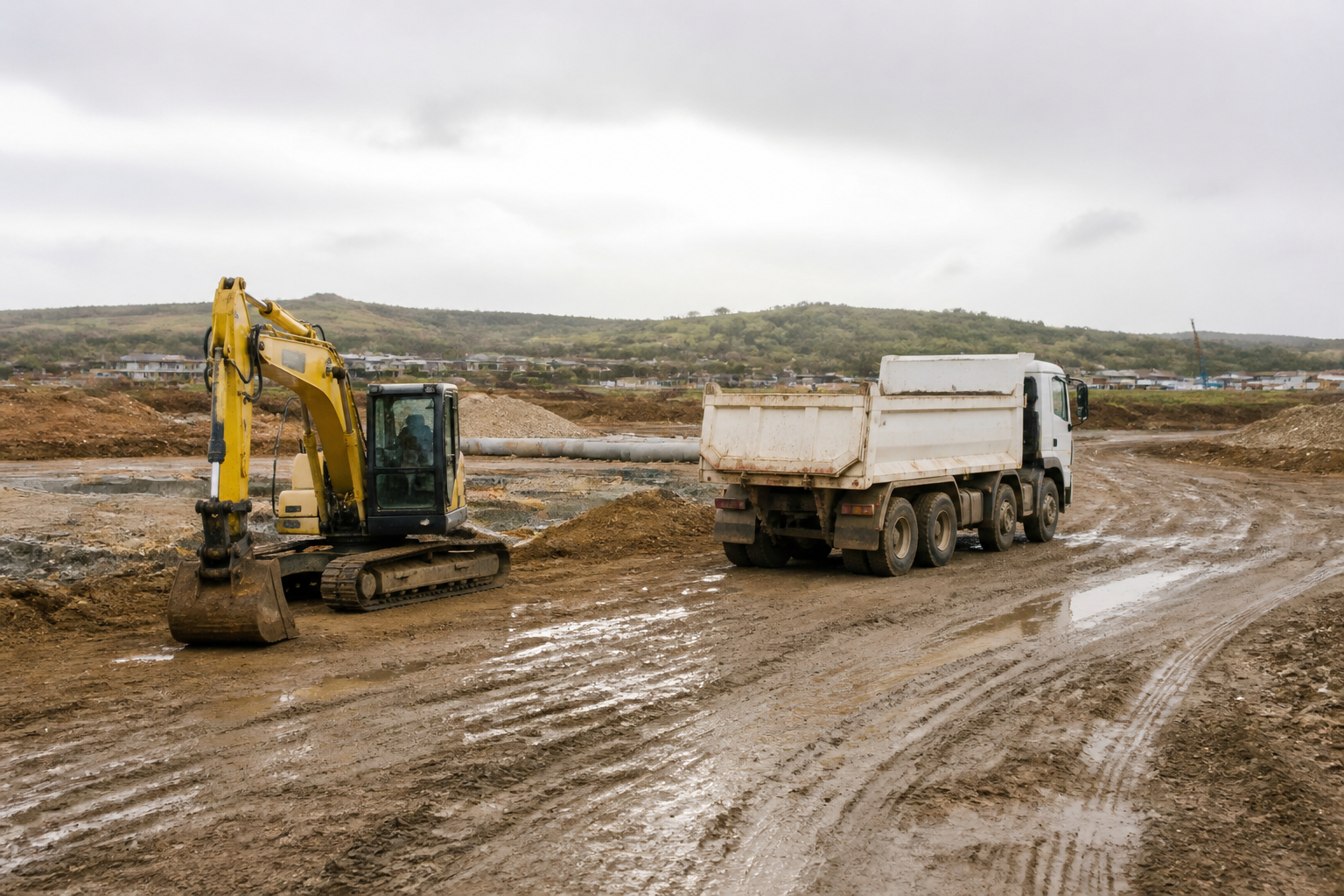
Wet hire disputes usually start before the machine moves
Most standdown arguments are not really about one lost hour on site. They start because the agreement never clearly said what happens when the operator turns up and cannot work.
That is common on wet hire jobs. The machine is on the float at 5:30 am. Your operator gets through traffic, signs in, sits through site induction, then gets told the pad is too wet, the trench is not ready, or access has been blocked by another trade. By lunchtime, everyone remembers the conversation differently.
Australian wet hire guidance points to the same fix: write the charging rules in detail, especially for weather shutdowns, hirer delays, breakdowns and downtime approval, instead of relying on broad standdown wording (Sprintlaw: stand down rates).
For small and mid-size yards, that matters because you do not have time to argue every docket after the job. You need clauses that your customer can read, your operator can follow, and your admin team can invoice without guessing.
Below are five clauses worth tightening in every wet hire agreement.
1. A standdown matrix, not a vague standdown sentence
If your wet hire agreement says only "standdown rates may apply", you are leaving the hard part until after the dispute starts.
A better approach is to break downtime into categories and attach a charging rule to each one. Sprintlaw's guidance on stand down rates points the same way: spell out how weather shutdowns, hirer delays, breakdowns and approval of downtime are each treated, rather than relying on vague wording (Sprintlaw: stand down rates).
What to spell out
Create separate rows or sub-clauses for:
- weather shutdown
- site not ready
- no access to work area
- delayed instructions or supervisor unavailable
- traffic control or permit not in place
- provider breakdown or defect
- safety stop due to unsafe site conditions
- customer-requested wait time
For each one, state:
- whether charges continue
- whether a standby rate applies
- whether a minimum number of hours still applies
- who must approve downtime
- when the operator can be released from site
- when remobilisation becomes chargeable
Sample wording approach
Use plain wording such as:
- "Weather shutdown after arrival on site is charged at the standby rate unless the provider elects to demobilise."
- "Where the delay is caused by the hirer, full wet hire rates continue until the operator is stood down by an authorised site representative."
- "Where downtime is caused by provider fault or breakdown, no hire charge applies for that period unless otherwise stated."
This clause does two jobs. It gives your customer a predictable rule, and it gives your accounts team a structure to point to when a docket gets queried.
2. A weather and site-access clause that separates rain from hirer delay
"It rained" is not specific enough.
On many jobs, the real issue is not the weather event itself. It is the site response to it. The machine may be capable of working, but the haul road is closed, the excavation permit has been paused, the ground is too soft for safe access, or the principal contractor has shut the area.
Sprintlaw notes that standdown disputes often turn on whether the contract clearly distinguishes weather shutdown, hirer delay and provider fault, and that these should be spelled out with rates, time limits and approval rules (Sprintlaw: stand down rates).
What this clause should cover
Define:
- what counts as wet weather
- who decides work is unsafe or impractical
- whether partial workdays still attract minimum hours
- whether travel and mobilisation remain payable if the crew has already been dispatched
- what happens if the site is inaccessible on arrival
- whether the customer must give notice before start time to avoid call-out charges
Why this matters in practice
A customer may assume rain means no charge. You may assume the call-out stands because the operator and machine were committed exclusively to that job.
The agreement needs to settle that before the first storm front rolls through. If you leave it to verbal understanding, your operator becomes the person trying to negotiate commercial terms at the gate.
3. A clear start-stop times clause for operator hours
Wet hire disputes often come down to one simple question: when did the chargeable time start?
Sprintlaw and Lawpath advise operators to define when the meter starts and stops, including whether site induction, waiting time, travel, mobilisation and demobilisation are chargeable (Sprintlaw wet hire agreement article; Lawpath wet hire agreement guidance).
Items to define clearly
State whether chargeable time starts at:
- depot departure
- arrival on site
- scheduled booking time
- machine unload time
- operator sign-in or induction start
Then state whether chargeable time ends at:
- machine shutdown
- operator sign-out
- reload onto float
- departure from site
- return to depot
Also include whether these are chargeable:
- pre-start checks on site
- site inductions
- waiting for spotters or permits
- toolbox meetings required by the site
- smoko and meal breaks
- after-hours work
- travel between site compounds
A practical way to write it
Use a clause that says the wet hire rate includes the operator and machine for the booked period, and then list the included and excluded items.
That approach lines up with wet hire agreement guidance that defines exactly what the hire fee includes: operator, extra crew, fuel, travel, mobilisation and demobilisation, site induction time, waiting time, attachments and after-hours rates (Sprintlaw wet hire agreement article; Lawpath wet hire agreement guidance).
If you do this well, fewer invoices get kicked back because the customer can see exactly why eight booked hours became nine and a half charged hours.
4. A minimum-hours and standby-rates clause that is hard to misread
Small yards often undercharge because the agreement mentions a daily rate but never deals properly with half-days, aborted starts or short call-outs.
Sprintlaw and Lawpath flag recurring disputes about minimum hours per day or per call-out, standby or waiting rates, weather delay charges and whether breakdowns still attract hire charges (Sprintlaw wet hire agreement article; Lawpath wet hire agreement guidance).
What to include
Your clause should answer these questions:
- Is there a minimum charge per day, shift or call-out?
- Does the minimum apply once the machine leaves the yard?
- Is there a separate standby rate?
- Does standby apply for the full delay or only after a grace period?
- Who can authorise the operator to wait versus leave site?
- What rate applies if the job resumes later the same day?
- Do overtime and weekend rates apply after the minimum is used up?
Keep the maths simple
Avoid a clause that requires three interpretations to invoice correctly.
For example, if you use:
- a minimum call-out period
- a standard hourly wet hire rate
- a separate standby rate after that period
- an overtime rate outside standard hours
put those in a simple table in the agreement summary. That is easier for the customer to approve and easier for your office to invoice consistently.
This is where structured digital agreements help. Instead of hiding the charging logic in page seven of a PDF, you can surface the key commercial terms up front so both sides know what happens when the site goes quiet.
5. A responsibility and approval clause for site readiness, delays and downtime records
A lot of standdown fights are really about who was supposed to have the site ready.
Wet hire and plant hire guidance focuses on preventing disputes through written allocation of site access, permits, traffic control and safety-law compliance responsibilities, rather than leaving those issues to verbal practice (Sprintlaw wet hire agreement article; Maptrack plant hire agreement template).
They also note that wet hire contracts need to state who controls the operator's work on site while preserving the provider's safety obligations, because that split often causes disputes when site supervisors give directions that affect safe operation (Sprintlaw wet hire agreement article).
Put these responsibilities in writing
State that the hirer is responsible for:
- safe and lawful site access
- permits, traffic control and exclusion zones
- accurate service location information
- a competent site contact with authority to direct the task
- notifying changed conditions before mobilisation
- signing or confirming downtime records on the day
State that you remain responsible for:
- supplying the agreed machine and operator
- ensuring the operator works within safe operating limits
- stopping work where conditions are unsafe
- reporting breakdowns promptly
Published hire terms also deal with immediate repair reporting, breakdown treatment and whether hire charges continue during downtime (Lawpath wet hire agreement guidance; Avenida Group equipment hire agreement).
Add an approval rule
Your agreement should also say:
- who can approve waiting time or standdown on behalf of the customer
- how that approval can be recorded, such as signed docket, SMS or email
- what happens if the customer refuses to sign the docket on site
If you do not define approval, the operator ends up with no evidence and your office ends up chasing a site supervisor two weeks later.
A simple drafting checklist for your next wet hire template
Before you send your next wet hire agreement, check that it answers all of these:
- What is a weather shutdown?
- What is a hirer delay?
- What is provider fault?
- When does chargeable time start and stop?
- Are induction, travel, mobilisation and waiting chargeable?
- What minimum hours apply?
- What standby rate applies, and when?
- Who can stand the crew down?
- Who approves downtime on site?
- What records will prove the delay later?
- What happens on breakdown?
- What happens if the site is unsafe or inaccessible?
The goal is not to charge more. It is to remove ambiguity.
Good wet hire clauses do not create disputes. They stop small misunderstandings from turning into bad debt.
If you run a small or mid-size yard, the win is simple: your operator knows what to say on site, your customer knows what they are paying for, and your office has a clean record when the invoice goes out.
Signd helps you put those terms into repeatable digital agreements, get them signed on mobile, and keep every wet hire record tied back to the customer in one place. Sending hire agreements on Signd is free, so you can tighten up your wet hire paperwork without adding more admin. Want bookings, invoices, inspections and card on file too? Try Signd Pro free for 7 days.
Sources
- Sprintlaw: Wet Hire Agreements in Australia – legal issues for businesses
- Sprintlaw: What are stand down rates
- Maptrack plant hire agreement template
- Harrison Barratt: Mud delays and missed shifts
- Sprintlaw: Dry hire agreement template
- Lawpath wet hire agreement
- I'm In The Right: hire recovery agreement
- Specialised Force terms
- Australian Government ClauseBank: dispute resolution
- Ezyquip terms and conditions
- Avenida Group equipment hire agreement