5 operator ticket clauses for dry plant hire agreements
Dry hire means their operator, not yours. Put tickets, VOC and who can drive in the hire agreement before the machine leaves the yard.
Tom - Founder of Signd
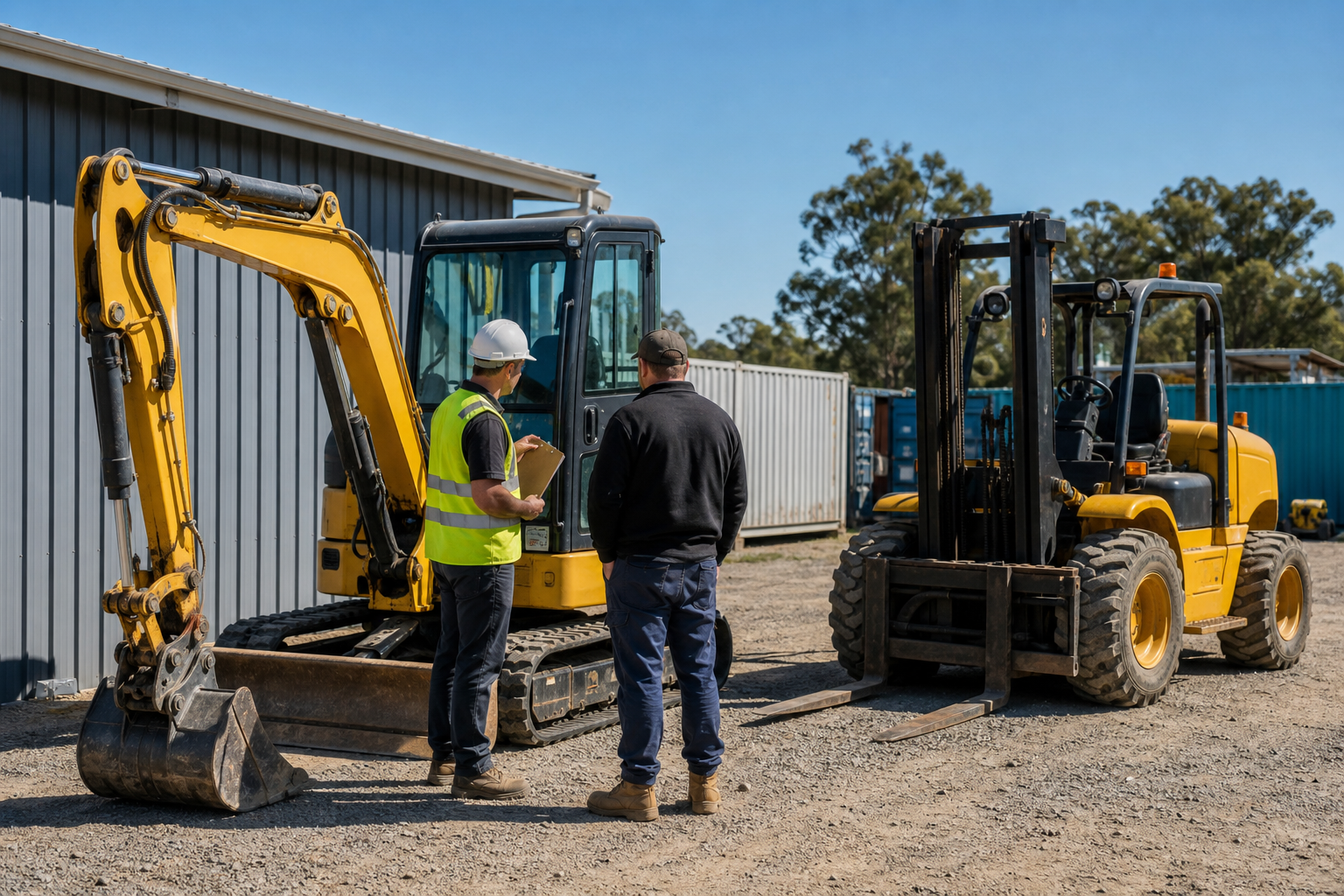
Dry hire means their operator. Your hire agreement should say who is allowed on the machine before it leaves the yard.
When a dry hire excavator, forklift or EWP goes out, the customer runs it. If their operator has the wrong ticket, or no ticket, you still get the phone call when something goes wrong. Insurers and investigators will ask what you put in the hire agreement and what you sighted at handover.
1. Who must hold the ticket
On dry hire, the hirer supplies the operator. Your rental agreement should say they are responsible for putting a competent, licensed person on the plant.
Safe Work Australia is clear that high risk work needs the right high risk work licence, and the worker must be over 18. Your agreement cannot shift that legal duty away, but it can make the hirer own the day-to-day check.
What to spell out
- Dry hire = hirer provides the operator
- Hirer must ensure every operator holds the right ticket or competency for that plant
- You can refuse the hire if they cannot show evidence
- Wet hire is a different deal: your operator, your tickets
2. Which plant needs a high risk work licence
Not every machine needs a high risk work licence. Forklifts, boom-type EWPs over 11 metres, many cranes, and reach stackers do. Plenty of earthmoving plant does not. Those still need a competent operator.
List the common gear in your yard and what you expect for each type. Guessing at the gate is how disputes start.
What to spell out
- Plant types that need a high risk work licence (forklift, boom EWP over 11 m, listed crane classes, and so on)
- Plant that needs verification of competency or equivalent evidence instead
- Attachments that change the licence class (for example a crane attachment)
- That “years on tools” is not a substitute for the required licence where one applies
3. Sight the evidence before handover
A clause that says “must be licensed” is weak if you never see the card. Ask for the high risk work licence, VOC, or other proof before keys leave the yard. Keep a copy with the hire paperwork.
What to spell out
- What documents you need (licence photo, VOC, induction card if your sites require it)
- When you need them (before delivery or pick-up, not after the job starts)
- That expired tickets are not accepted
- That you can keep a copy on the hire file
4. Named operators only
Jobs change hands. The ticketed bloke who signed on Monday is not always the person on the machine on Thursday. If you care who drives, say so.
What to spell out
- Named operators on the hire schedule
- No swap without your written OK and fresh evidence
- Hirer must stop use if the named operator is unavailable
- Extra operators need the same ticket check before they start
5. What if tickets lapse mid-hire
Long hires run past renewals. A high risk work licence is generally valid for five years, but people forget. Put the refresh duty on the hirer and give yourself a stop-work right if evidence goes stale.
What to spell out
- Hirer must keep tickets current for the whole hire period
- Duty to tell you straight away if a licence is suspended, cancelled, or expires
- You can suspend the hire until valid evidence is back on file
- Off-hire and recovery costs if they cannot keep a legal operator on the plant
How Signd helps on operator tickets
Operator tickets only protect you if the hire agreement is signed before the machine moves, and the evidence sits with that job.
With Signd you send the dry hire agreement from the yard, get it signed on the phone, and capture licence details as part of the same flow. The signed agreement and licence file land in one place automatically. When someone asks who was authorised to drive, you are not digging through texts and photos on a personal phone.